China metal keypad button Manufacturer, Supplier, Factory
We pursue the administration tenet of "Quality is top-quality, Company is supreme, Track record is first", and will sincerely create and share success with all purchasers for metal keypad button,flexible membrane keypad,membrane keyboard sensor,membrane keypad sensor,tactile key circuit, In case you are looking for a high quality, quickly delivery, best just after assistance and good value supplier in China for long-term organization connection, we're going to be your most effective choice.
metal keypad button, Welcome to visit our company and factory, there are various items displayed in our showroom that will meet your expectation, meanwhile, if you are convenient to visit our website, our sales staff will try their efforts to supply you the best service
Related Products



Hot Products
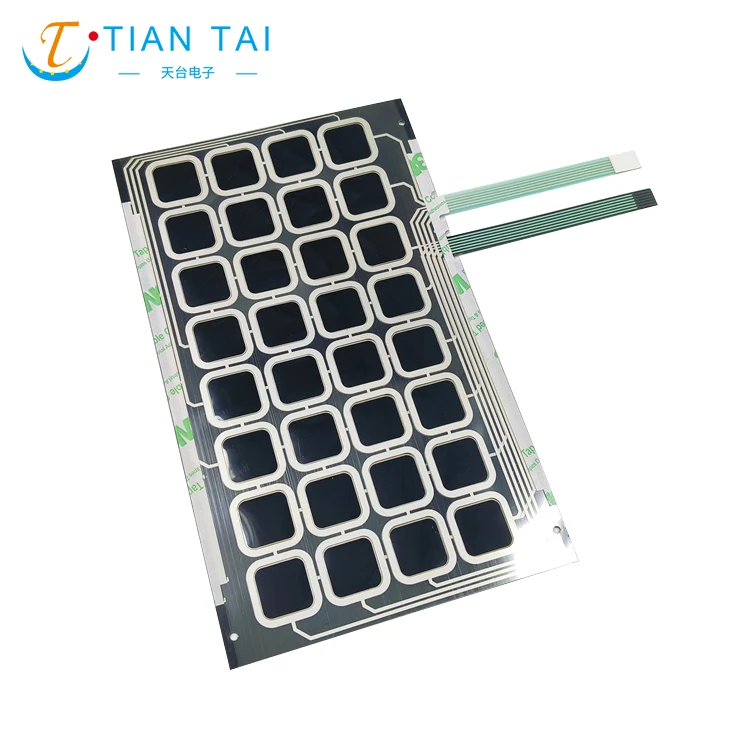
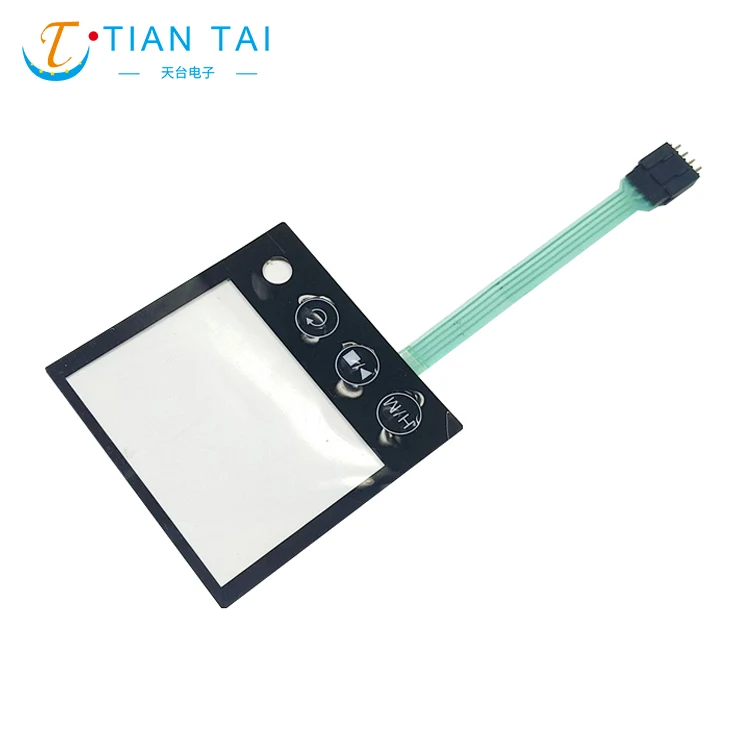
Capacitive Circuit
Tiantai Electronics is a leading China capacitive circuit manufacturer and supplier. The capacitive circuit membrane switch does not have any mechanical parts, not easy to damage, has a longer service life, and reduces later maintenance costs. The capacitive circuit touch button sensing part can be placed behind any insulating layer (usually glass or plastic) and it can be easily made into a keyboard sealed with the surrounding environment.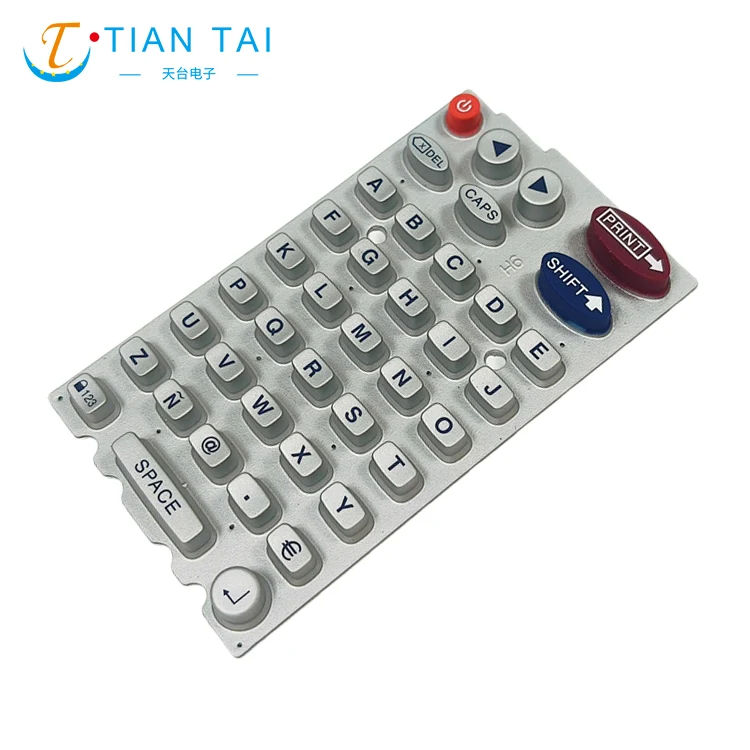
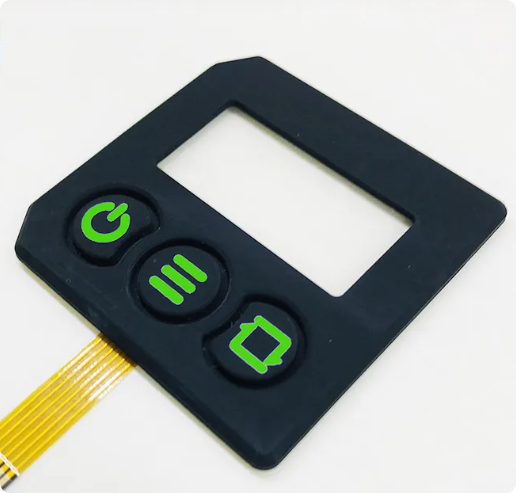
Silicone Rubber Keypad For TV Controller
Tiantai Electronics is China manufacturer and supplier who mainly produces silicone rubber keypad for tv controller with many years of experience. This Silicone Rubber Keypad for TV controller with conductive carbon pills, which can connected with PCB directly, it's durability and softly, We can offer customization service, you can require whatever you like, including color, pattern and size ect.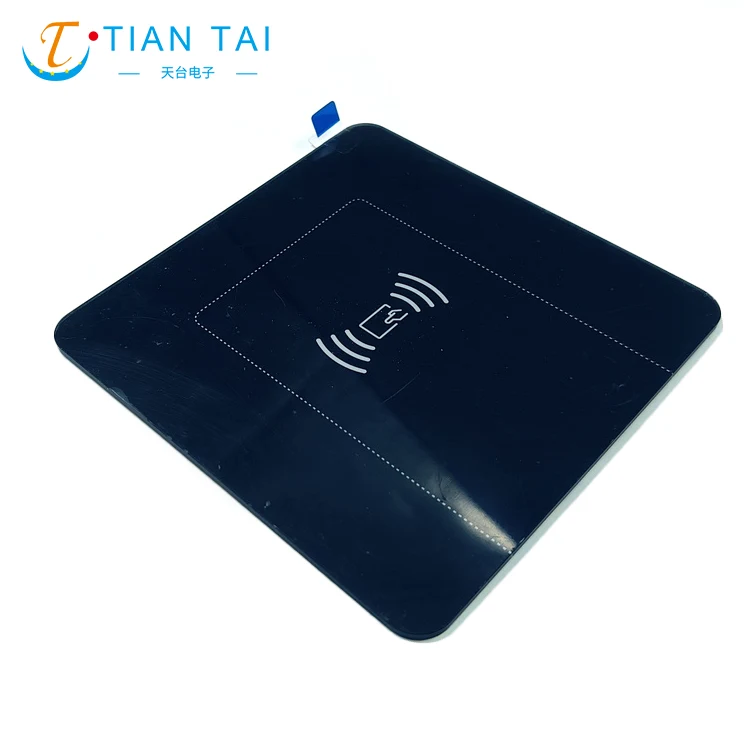
Arcylic Graphic Overlay
An Arcylic Graphic Overlay is often the first thing a person sees when interacting with a product and is frequently utilised as the crucial layer of a user interface. These parts must be simple to use and constructed of high-quality materials to ensure their endurance.
Texture Graphic Overlay
Tiantai Electronics is texture graphic overlay manufacturer and supplier in China who can wholesale texture graphic overlay. Texture graphic overlay is a ovelay using texture material, but we also have gloss material to meet whatever effection you want.
Siliver Pads Membrane Switch
Siliver Pads Membrane Switch is one kind of membrane switch which with silver pads circuit. Dongguan Tiantai Electronics Co., LTD is in China in membrane switch filed over 14 years. Our product is designed to provide the perfect interface between various types of machines and their control systems.
Capacitive Touch Membrane Switch For Automatic Cookers
Find a huge selection of capacitive touch membrane switch for automatic cookers from China at Tiantai Electronics. This innovative switch revolutionizes the way you interact with your cooker, offering a seamless and intuitive experience.
- Related Blog
- Reviews