Is the FPC Circuit Push Button Membrane Keypad the Ultimate Solution for Modern Human-Machine Interfaces
The FPC Circuit Push Button Membrane Keypad has become one of the most reliable and cost-effective interface technologies in modern electronic devices. Combining flexibility, durability, and compact design, it is widely used across industrial control systems, medical equipment, consumer electronics, and automotive interfaces. This article explores its structure, working principles, advantages, applications, and manufacturing process, with insights from leading manufacturer TianTai. It also provides technical comparisons, design considerations, and SEO-oriented industry insights to help engineers, buyers, and designers make informed decisions.
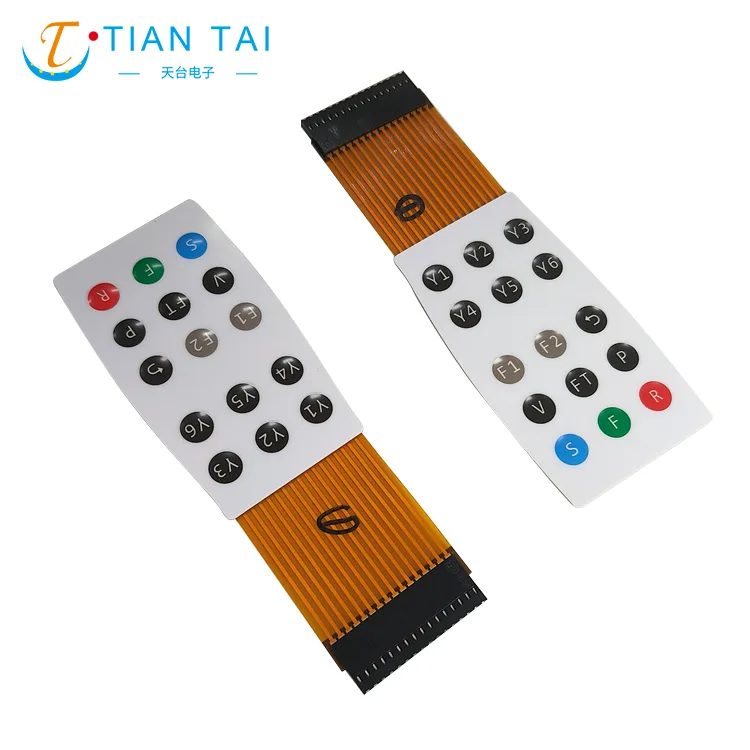
Table of Contents
- Introduction to FPC Circuit Push Button Membrane Keypad
- What is FPC Circuit Push Button Membrane Keypad
- How the FPC Membrane Keypad Works
- Key Features and Benefits
- Industrial Applications
- Technical Advantages Overview
- Membrane Keypad vs Mechanical Keypad
- Design Considerations
- Manufacturing Process by TianTai
- Quality Control Standards
- FAQ
- Conclusion & Contact
Introduction to FPC Circuit Push Button Membrane Keypad
In the era of smart devices and compact electronics, interface technology plays a critical role in usability and product performance. The FPC Circuit Push Button Membrane Keypad stands out as a highly adaptable solution designed to meet demanding industrial and consumer requirements. Unlike traditional mechanical switches, it integrates flexible printed circuit (FPC) technology with membrane switch layers, creating a lightweight yet durable interface system.
Manufacturers like TianTai have continuously improved this technology, ensuring better tactile feedback, longer lifespan, and enhanced resistance to environmental factors such as moisture, dust, and chemicals.
What is FPC Circuit Push Button Membrane Keypad
The FPC Circuit Push Button Membrane Keypad is an advanced human-machine interface that combines flexible printed circuits with layered membrane switch structures. It typically consists of multiple layers:
- Graphic overlay (top layer for user interface)
- Spacer layer
- FPC conductive circuit layer
- Bottom adhesive layer
When a button is pressed, the circuit completes a connection through conductive pads, sending an electrical signal to the device system. This structure ensures both reliability and compactness, making it ideal for modern electronic devices.
How the FPC Membrane Keypad Works
The working principle of the FPC Circuit Push Button Membrane Keypad is based on pressure activation and circuit conduction. When the user presses a key:
- The top membrane layer deforms downward.
- The conductive pad contacts the FPC circuit layer.
- The circuit closes, generating an electrical signal.
- The device interprets the signal as a command input.
This simple yet efficient mechanism ensures high reliability and minimal mechanical wear, which significantly extends product lifespan.
Key Features and Benefits
The popularity of the FPC Circuit Push Button Membrane Keypad is driven by its outstanding features:
- Ultra-thin and lightweight design
- High durability (up to millions of presses)
- Waterproof and dustproof capability
- Customizable layouts and graphics
- Strong resistance to chemicals and abrasion
According to TianTai engineering standards, these keypads are optimized for long-term industrial use while maintaining cost efficiency.
Industrial Applications
The FPC Circuit Push Button Membrane Keypad is widely used across multiple industries:
- Medical diagnostic equipment
- Industrial control panels
- Home appliances
- Automotive dashboards
- Telecommunication devices
Its versatility allows engineers to integrate it into both high-end and cost-sensitive products.
Technical Advantages Overview
| Feature | FPC Circuit Push Button Membrane Keypad | Traditional Mechanical Keypad |
|---|---|---|
| Thickness | Ultra-thin (0.5–1.2mm) | Thicker (5–15mm) |
| Lifespan | 1–5 million cycles | 100,000–500,000 cycles |
| Water Resistance | High | Low to Medium |
| Customization | Highly flexible | Limited |
| Cost Efficiency | High | Medium to Low |
Membrane Keypad vs Mechanical Keypad
Choosing between membrane and mechanical solutions depends on application needs. However, the FPC Circuit Push Button Membrane Keypad offers significant advantages in modern design environments.
- Space efficiency: Membrane keypads require far less space.
- Environmental protection: Better sealing against dust and liquids.
- Cost control: Lower production cost at scale.
- Design flexibility: Easier integration into custom products.
Manufacturers like TianTai continue to push innovation in this comparison gap, making membrane solutions increasingly dominant in global markets.
Design Considerations
When designing a FPC Circuit Push Button Membrane Keypad, several factors must be considered:
- Tactile feedback strength
- Circuit layout optimization
- Material selection (PET, FPC copper layers)
- Environmental protection level (IP rating)
- Backlighting integration options
A well-designed keypad enhances both user experience and product reliability.
Manufacturing Process by TianTai
The production of a high-quality FPC Circuit Push Button Membrane Keypad involves precision engineering. TianTai follows a structured manufacturing process:
- Material selection and inspection
- FPC circuit etching and printing
- Layer lamination and bonding
- Die-cutting and shaping
- Electrical testing and calibration
- Final assembly and packaging
This process ensures consistency, durability, and compliance with international quality standards.
Quality Control Standards
Quality assurance is a critical part of TianTai's production philosophy for the FPC Circuit Push Button Membrane Keypad. Key testing includes:
- Life cycle durability testing
- Environmental stress testing (heat, humidity, UV)
- Conductivity and resistance checks
- Adhesion strength testing
These tests ensure each product meets industrial-grade performance expectations.
FAQ – FPC Circuit Push Button Membrane Keypad
Q1: What is the lifespan of an FPC Circuit Push Button Membrane Keypad?
A: Typically between 1 to 5 million operations depending on usage conditions and manufacturing quality.
Q2: Can the keypad be customized?
A: Yes, TianTai offers full customization including layout, color, tactile feedback, and backlighting.
Q3: Is it waterproof?
A: Yes, most designs offer high levels of waterproof and dustproof protection.
Q4: Where is it commonly used?
A: It is widely used in industrial equipment, medical devices, automotive systems, and consumer electronics.
Q5: What makes FPC better than rigid circuits?
A: FPC provides flexibility, reduced thickness, and improved durability compared to rigid PCB-based designs.
Conclusion & Contact
The FPC Circuit Push Button Membrane Keypad represents a modern evolution in human-machine interface technology. With its lightweight structure, durability, and customization flexibility, it has become the preferred choice for many industries. Companies like TianTai continue to drive innovation and deliver high-performance solutions tailored to global market demands.
If you are looking for reliable, customized, and high-quality FPC Circuit Push Button Membrane Keypad solutions, our engineering team is ready to support your project. We offer full technical consultation, prototype development, and mass production services.
Contact us today to discuss your requirements and discover how TianTai can help you build better, smarter, and more competitive products in the global market.