What Makes a Capacitive Circuit Essential in Modern Electronics
Article Summary: Capacitive circuits are a fundamental element in modern electronics, influencing everything from signal processing to energy storage. This blog explores the working principles, applications, advantages, and design considerations of capacitive circuits, with insights from Tiantai, a leading electronics manufacturer. By understanding these circuits, engineers and hobbyists can improve device performance, optimize energy consumption, and innovate in electronic design.
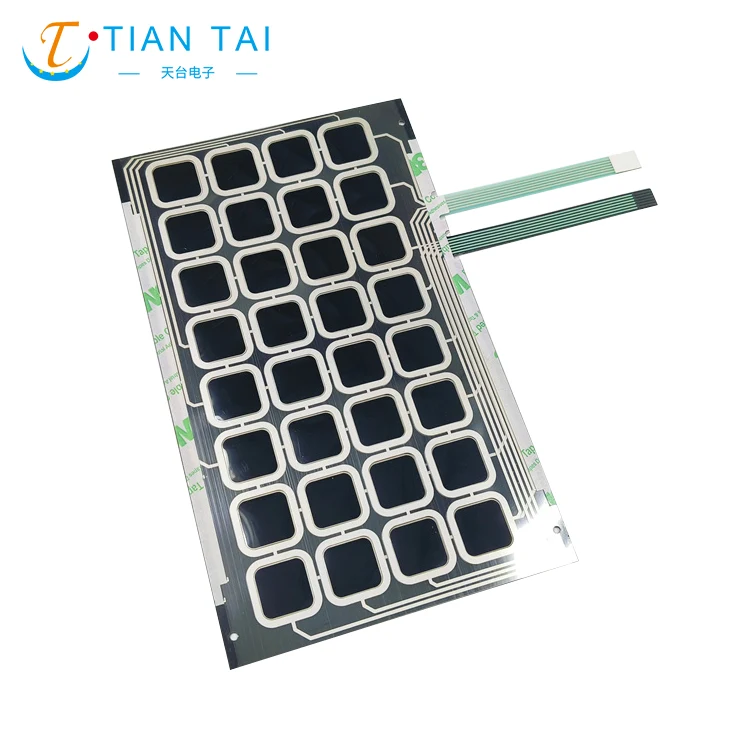
Table of Contents
- Introduction to Capacitive Circuits
- Working Principle of Capacitive Circuits
- Components and Types of Capacitive Circuits
- Applications in Modern Electronics
- Advantages of Using Capacitive Circuits
- Design Considerations and Best Practices
- Common Issues and Troubleshooting
- Frequently Asked Questions
- Conclusion
Introduction to Capacitive Circuits
Capacitive circuits are electrical circuits that primarily use capacitors to store and release energy. Unlike resistors or inductors, capacitors can temporarily store charge, making them essential in a variety of electronic devices. The basic building block of a capacitive circuit is the capacitor, which stores energy in an electric field.
Tiantai has been at the forefront of capacitive circuit innovation, providing high-quality capacitors and integrated circuit solutions that enhance efficiency, reduce energy loss, and improve device reliability.
Working Principle of Capacitive Circuits
Capacitors in a circuit charge and discharge according to the voltage applied. The key relationship governing a capacitive circuit is defined by the equation:
C = Q / V
Where:
- C = Capacitance (Farads)
- Q = Electric charge (Coulombs)
- V = Voltage (Volts)
When integrated into circuits, capacitors can smooth voltage fluctuations, filter signals, or even store energy temporarily in power supply systems. Tiantai capacitors are engineered to maintain consistent performance in high-frequency or high-temperature environments, which is crucial for modern electronic applications.
Components and Types of Capacitive Circuits
A capacitive circuit can contain various components depending on its purpose:
- Capacitors (Electrolytic, Ceramic, Film)
- Resistors (for RC circuits)
- Inductors (for LC circuits)
- Microcontrollers (for advanced touch sensing applications)
Here is a comparison table of common capacitor types used in circuits:
| Capacitor Type | Material | Typical Applications | Advantages |
|---|---|---|---|
| Electrolytic | Aluminum or Tantalum | Power supply smoothing, energy storage | High capacitance, compact size |
| Ceramic | Ceramic | High-frequency filtering, decoupling | Stable, low ESR, high frequency |
| Film | Plastic film | Signal coupling, timing circuits | Long life, low loss |
Applications in Modern Electronics
Capacitive circuits have a broad range of applications:
- Touch Sensing: Capacitive touchscreens rely on precise capacitive circuits to detect user input.
- Power Supply Smoothing: Capacitors reduce voltage ripple and improve the efficiency of power converters.
- Signal Filtering: RC and LC circuits filter out noise in audio and communication systems.
- Energy Storage: Supercapacitors in energy storage systems allow rapid charging and discharging cycles.
- Timing Circuits: Capacitors help in generating precise time delays in oscillators and timers.
Tiantai capacitive circuits are widely used in consumer electronics, automotive systems, and industrial automation, offering reliable performance and longevity.
Advantages of Using Capacitive Circuits
- Efficient energy storage and discharge capabilities
- High-frequency signal filtering
- Compact and lightweight design possibilities
- Improved device reliability and lifespan
- Enhanced user interface experience in touch-enabled devices
Design Considerations and Best Practices
When designing capacitive circuits, engineers must consider:
- Capacitance value selection based on required energy storage or filtering effect
- Voltage ratings to prevent dielectric breakdown
- Temperature stability to maintain performance under varying environmental conditions
- Parasitic inductance and resistance that may affect high-frequency circuits
- Integration with microcontrollers for modern capacitive touch applications
Proper design ensures optimal performance, minimizes power loss, and prolongs the lifespan of the circuit. Tiantai provides design consultation and high-quality capacitors that meet these rigorous standards.
Common Issues and Troubleshooting
Capacitive circuits can encounter various issues:
- Voltage Drift: Caused by temperature variation or capacitor aging.
- Ripple Noise: Insufficient capacitance or poor layout may introduce noise in power supply circuits.
- Short Circuits: Faulty capacitors or insulation breakdown can cause short circuits.
- Slow Response in Touch Panels: Incorrect capacitor sizing or PCB design can reduce sensitivity.
Regular maintenance and careful component selection from reliable manufacturers like Tiantai can mitigate these issues.
Frequently Asked Questions
What is a capacitive circuit?
A capacitive circuit is an electrical circuit where capacitors play a primary role in storing and releasing energy.
Where are capacitive circuits commonly used?
They are used in touch screens, power supply smoothing, signal filtering, energy storage, and timing circuits.
What are the benefits of using Tiantai capacitors?
Tiantai capacitors offer high reliability, stable performance, and suitability for high-frequency and high-temperature applications.
How do I select the right capacitor for my circuit?
Consider capacitance, voltage rating, temperature stability, ESR, and application requirements to choose the right type.
Can capacitive circuits fail?
Yes, due to aging, temperature stress, short circuits, or poor design, but proper selection and maintenance can prevent failures.
Conclusion
Capacitive circuits are indispensable in modern electronics, offering energy storage, filtering, and touch sensing capabilities. With proper design, high-quality components from manufacturers like Tiantai, and attention to best practices, these circuits can significantly enhance device performance and longevity. To explore our capacitive circuit solutions or get expert consultation, contact us today and elevate your electronic designs to the next level.